Ultra long haul flights that stretch beyond 19 hours are demanding for everyone onboard, but the real challenge often falls on cabin crew. While passengers focus on comfort and entertainment, cabin crew must remain alert, professional, and ready for safety duties at all times. Behind the scenes, airlines rely on structured rest systems, smart scheduling, and dedicated sleep spaces to keep crews sharp throughout these marathon journeys.
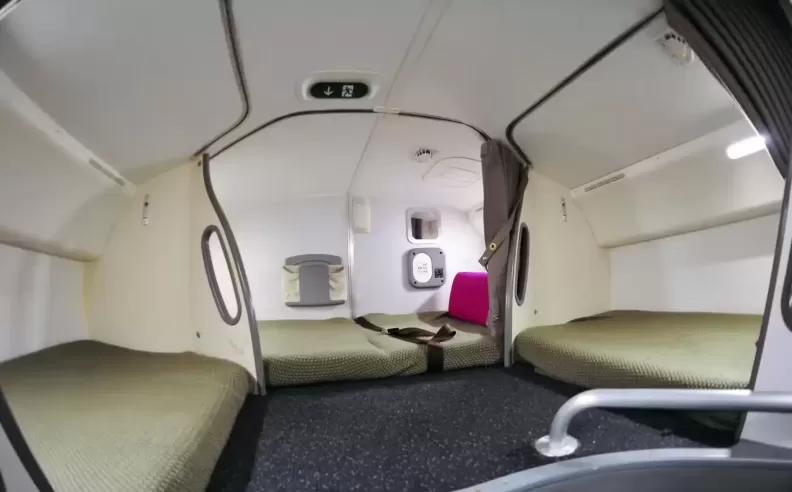
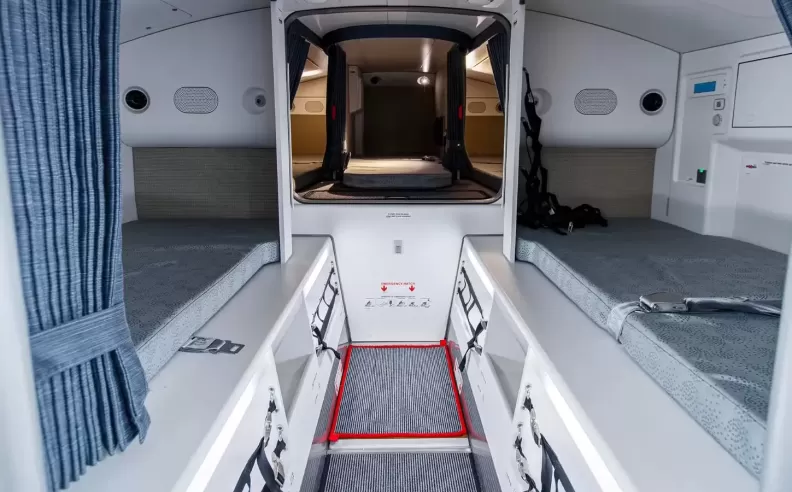
Cabin crew rest areas are built into long haul aircraft and are completely separate from the passenger cabin. These spaces are usually located above or below the main cabin and are accessible only to crew. Inside, airlines provide lie flat bunks secured with seat belts to handle turbulence. Designers add blackout curtains, soft lighting, sound insulation, and climate control to create an environment that allows real sleep, not just short naps. These quiet zones give crew members the privacy and calm they need to recover between service shifts.
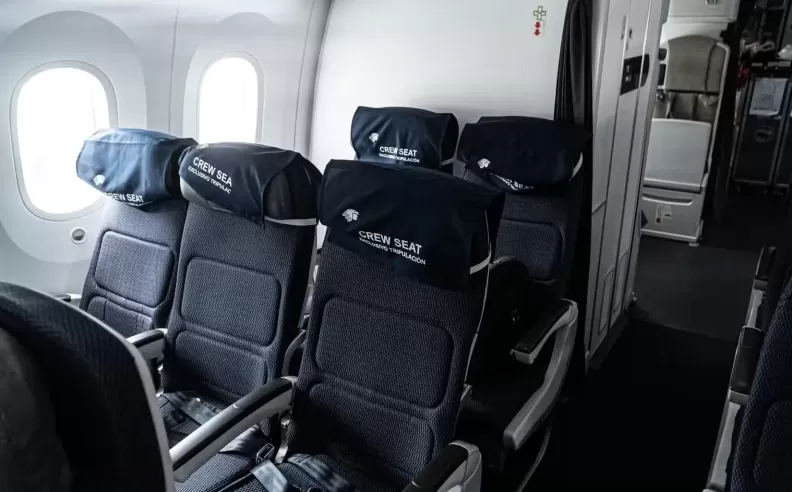
Airlines divide cabin crew into teams that rotate duties throughout the flight. While one group handles passenger service and safety checks, another group rests in the crew modules. These rest periods are planned before departure and usually last three to four hours, enough for meaningful sleep cycles. Schedules are designed around meal services, peak workload times, and time zone changes. This rotation ensures that fresh crew members are always on duty, even during the longest flights.
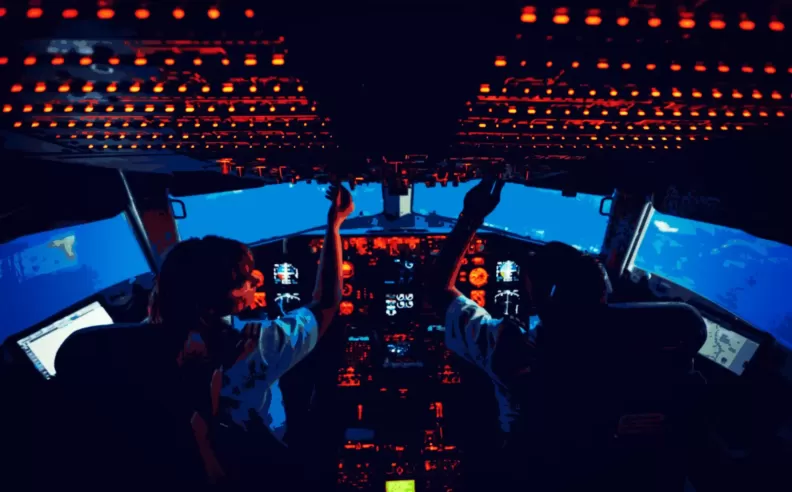
Aviation authorities such as the FAA, ICAO, and EASA set strict rules on maximum duty hours and minimum rest times. Airlines must follow these regulations carefully when operating ultra long haul routes. Crews are also required to be well rested before the flight, with guidance on hydration, nutrition, and sleep habits. These fatigue management rules are not optional, as crew alertness directly impacts passenger safety and overall flight operations.
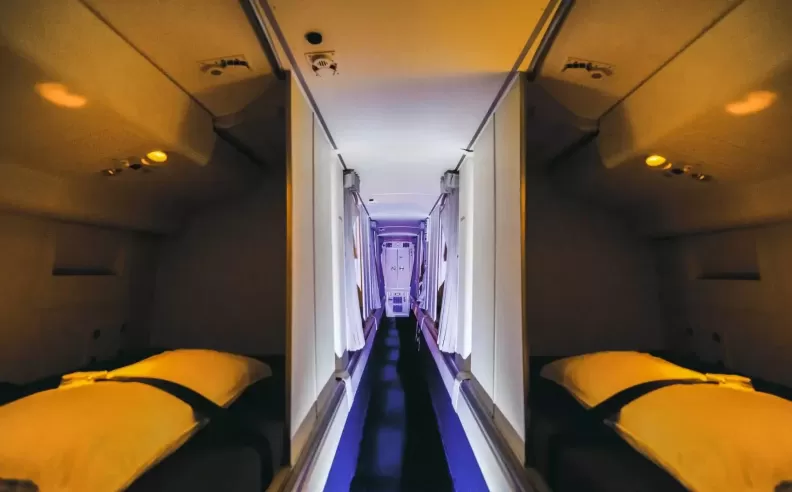
Modern aircraft like the Boeing 787, Airbus A350, and Airbus A380 are built specifically for ultra long haul missions. Each aircraft includes purpose built crew rest modules with layouts adjusted to crew size and route length. On the 787 and A350, rest areas are often placed in the ceiling space to reduce noise and cabin disruption. The larger A380 includes multiple rest areas to support bigger crews. These designs allow airlines to operate nonstop flights across continents while maintaining high service standards.
Cabin crew rest is not a luxury but a safety requirement. Proper sleep helps crew members stay focused during emergencies, manage passenger needs, and deliver consistent service. On flights that last nearly a full day, structured rest systems are what make ultra long haul travel possible. By combining smart scheduling, dedicated rest spaces, and strict regulations, airlines ensure that cabin crew remain effective from takeoff to landing, no matter how long the journey lasts.

Started my career in Automotive Journalism in 2015. Even though I'm a pharmacist, hanging around cars all the time has created a passion for the automotive industry since day 1.





 SHARE
SHARE